⚡ Quick Answer: AISEO with Claude
Claude can improve AISEO by analyzing search data, sitemap structure, content gaps, FAQs, comparison opportunities, topical clusters, internal links, and cannibalization risks. Unlike traditional SEO, AISEO focuses not only on ranking pages but also on making content extractable, structured, and citable by Google AI Overviews, ChatGPT, Claude, and Perplexity.
1. Introduction: The SEO Traffic Game Has Changed
The era of traditional ten blue links is ending. Search engine traffic is increasingly dominated by generative AI interfaces — from Google AI Overviews to conversational engines like ChatGPT and Perplexity.
This shift has created a massive blind spot for traditional SEO teams. While marketers continue tracking standard keyword rankings, AI answer engines are actively bypassing traditional ranking metrics, pulling information directly from highly structured, citation-ready content.
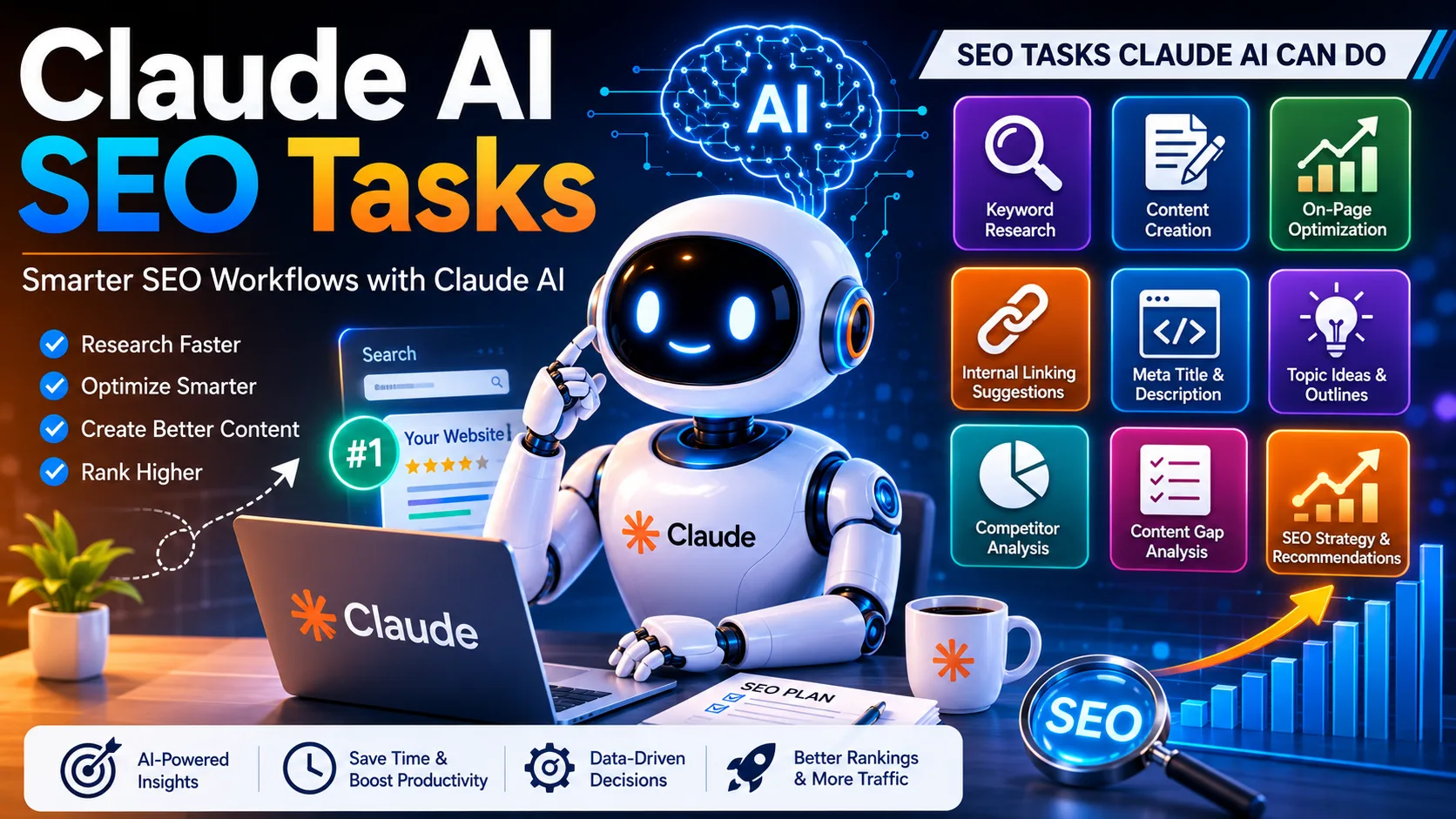
Claude is not just a writing assistant; it is a highly capable AISEO analyst. When given the right data (Google Search Console exports, sitemaps, and content inventories), Claude can turn raw metrics into structured pages that rank in Google and win citations in AI answer engines.
2. What Is AISEO and Why Claude Matters
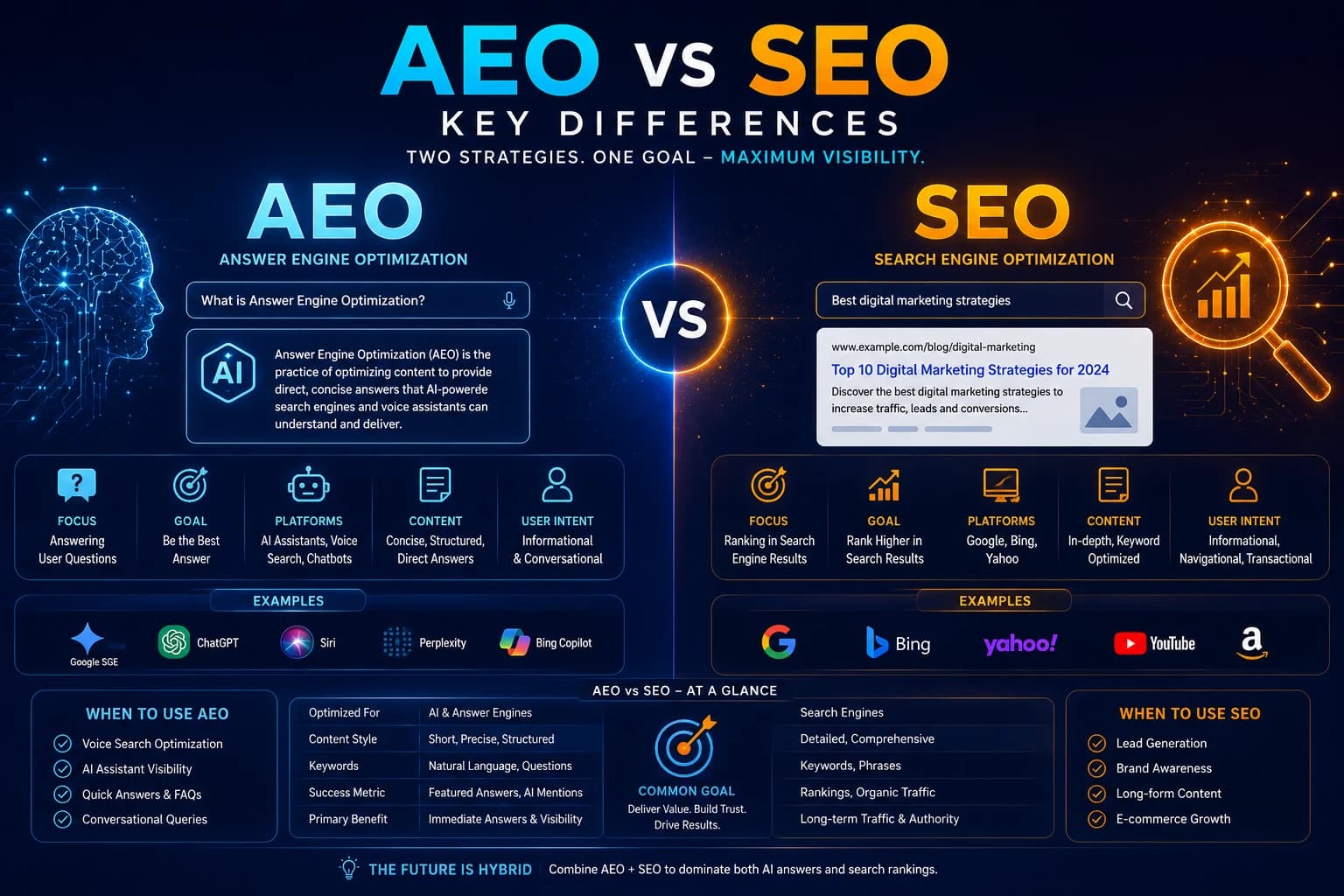
AI Search Engine Optimization (AISEO) — encompassing Answer Engine Optimization (AEO) and Generative Engine Optimization (GEO) — is the practice of structuring content so that Large Language Models (LLMs) can easily extract, understand, and cite your information as authoritative.
Claude matters in this workflow because of its massive context window (200k tokens in Claude 3.5 Sonnet) and its ability to reason logically over structured data (like CSV exports from Search Console). Instead of just writing a blog post, Claude can analyze thousands of rows of your actual search data and pinpoint exactly where you are losing potential AI citations.
According to Anthropic's Claude Web Search documentation, Claude can now actively browse the web and cite sources for current information, making optimization for Claude itself a direct traffic driver. Furthermore, recent research into Google AI Overviews indicates that AI search source selection often differs from traditional top-10 rankings. Being position #1 no longer guarantees you are the cited answer.
3. SEO vs AISEO: Ranking vs Citation
To understand how to use Claude effectively, we must first understand the difference between traditional SEO goals and AISEO goals.
| Traditional SEO Task | 🚀 AISEO Upgrade |
|---|
| Keyword gaps | AI answer-intent gaps (What questions are LLMs struggling to answer?) |
| Position 8-20 keywords | Citation-ready page improvements (Adding direct answer blocks) |
| FAQ opportunities | Extractable answer blocks + FAQ schema implementation |
| Comparison pages | AI-citable comparison matrices and tables |
| Programmatic SEO | Programmatic AEO/GEO landing pages injected into knowledge graphs |
| Tools/calculators | Link magnets + AI-cited utility endpoints |
| Topical clusters | Entity/topic authority maps aligned with LLM training weights |
| Internal links | Semantic knowledge graph structure bridging concepts |
| Cannibalization | Citation dilution and intent conflict fixes |
4. Why Most People Use Claude Wrong for SEO
The most common mistake marketers make is treating Claude as a "content spinner." They paste a keyword and ask for a 1,000-word blog post. This creates generic content that neither ranks in Google nor provides unique value for AI citations.
To win in AISEO, you must use Claude as a data analyst. You provide raw data (GSC exports, Ahrefs/Semrush data, sitemaps), give Claude a specific analytical framework, and ask it to output architectural recommendations.
Here are the 9 Claude AISEO tasks that bridge the gap between traditional SEO and AI search visibility.
5. Task 1: Find Search Queries With Impressions But No Dedicated Page
One of the easiest ways to win AI citations is to be the only page that directly answers a specific, nuanced question.
Export your Google Search Console (GSC) query data (filtering for queries with impressions but low clicks). Feed this to Claude along with your current sitemap.
The Prompt:
"I am providing a CSV export of my Google Search Console queries and my current XML sitemap. Identify 'content gap' queries that are generating impressions but do not have a dedicated, highly specific page on my site. Group these missing queries into topical clusters and suggest titles for new 'direct answer' AISEO pages designed to win Perplexity and Google AI Overview citations."
6. Task 2: Find Keywords Ranking Positions 8-20
Pages ranking on page 2 of Google are the lowest-hanging fruit for AISEO. Because AI Overviews often pull from the top 20 results (not just the top 3), optimizing these pages specifically for AI extraction can result in citations that leapfrog traditional #1 ranked competitors.
The Prompt:
"Review this list of my URLs ranking in positions 8-20 for their target keywords. For each URL, analyze the keyword intent and suggest a 50-word 'Direct Answer Box' that should be placed at the very top of the page. The answer must be objective, jargon-free, and perfectly structured for an LLM to extract and cite in an AI Overview."
7. Task 3: Discover FAQ and Answer-Block Opportunities
LLMs love questions and answers. They are fundamentally Q&A engines. If your content lacks structured FAQs, you are missing out on citations.
The Prompt:
"Analyze this blog post draft. Extract the core concepts and generate 5 highly specific 'People Also Ask' style questions that this content indirectly addresses. Write a concise, 2-3 sentence direct answer for each question, and format the output as an FAQ section ready for Schema.org FAQPage markup."
8. Task 4: Find Comparison Article Opportunities
"Brand A vs Brand B" or "Best tools for X" are massive drivers of AI search traffic. Users treat ChatGPT and Perplexity as research assistants to help them evaluate software and services.
The Prompt:
"Based on my GSC query data and my product's core features (provided below), identify 5 comparison article opportunities (e.g., 'vs' or 'alternatives to'). For each opportunity, generate a structured comparison matrix (table format) comparing the key features, pricing, and ideal use cases. This table must be formatted clearly so an AI crawler can easily ingest and cite the data."
9. Task 5: Identify Programmatic AISEO Opportunities
Programmatic SEO involves creating hundreds of landing pages based on a dataset. Programmatic AISEO ensures those pages are structured as dense knowledge graphs.
The Prompt:
"I want to create a programmatic AISEO template for a directory of [Industry] tools. What are the 10 most critical data points (attributes/entities) an LLM would need to effectively compare and recommend these tools to a user? Output a JSON schema structure that I should use to standardize the data across all programmatic pages."
AI engines frequently cite pages that contain interactive utilities, calculators, or distinct data tools because they solve immediate user problems.
The Prompt:
"My website is in the [Niche] space. Generate 5 ideas for simple web-based calculators, analyzers, or generators that would solve a frequent, math-heavy or logic-heavy problem for my target audience. Explain how building this specific tool would attract natural backlinks and serve as a highly citable resource for AI engines like Claude and ChatGPT."
11. Task 7: Build Topical Clusters for AI Search
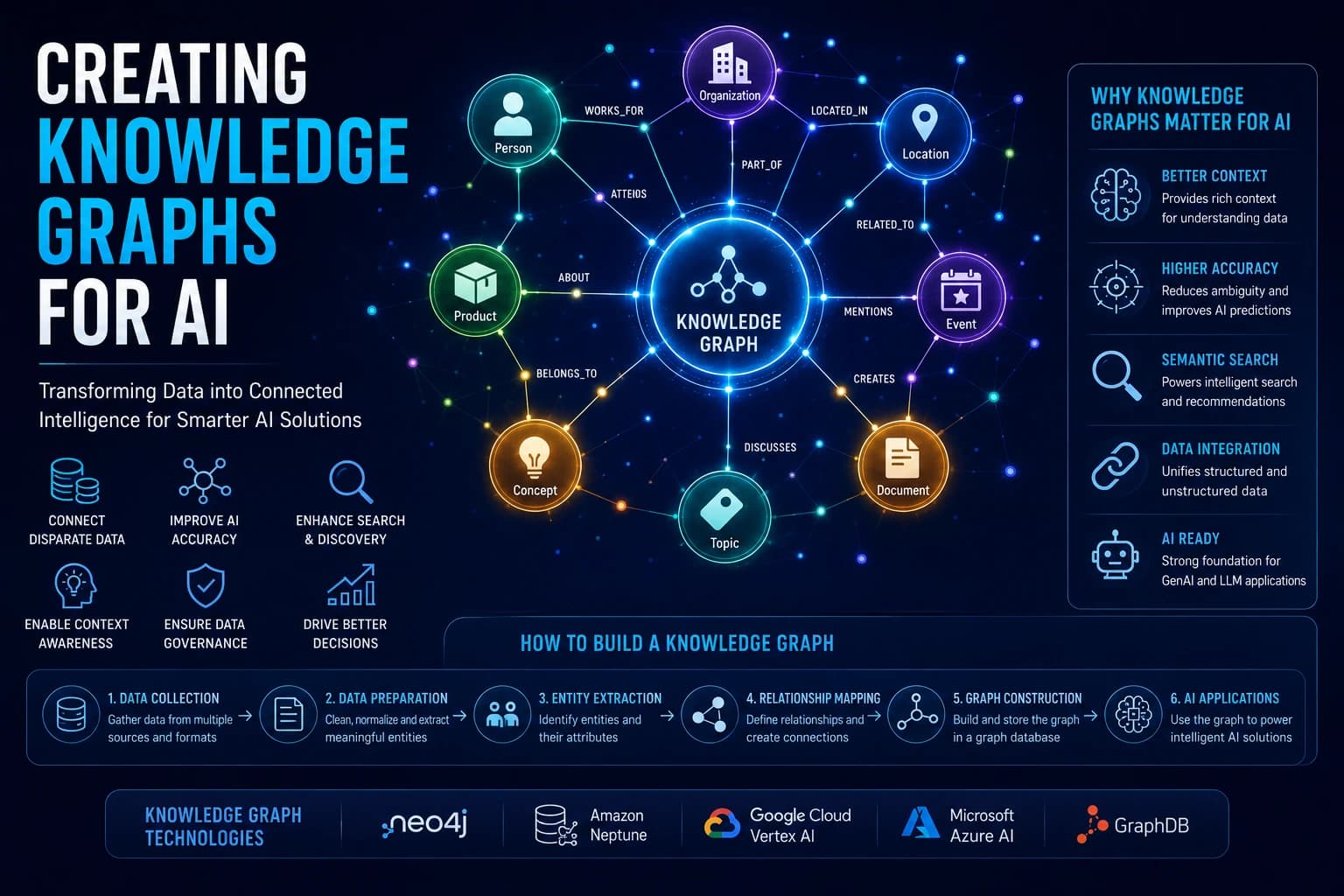
To be cited as an authority by an LLM, your website needs dense semantic relationships between topics. LLMs evaluate knowledge graphs and topical authority heavily.
The Prompt:
"I want to establish my site as the definitive AI search authority on the topic of [Core Topic]. Generate a comprehensive topical cluster map. Include 1 pillar page, 8 sub-pillar pages, and 20 specific long-tail article ideas. For each page, identify the primary 'Entity' it must establish authority over."
12. Task 8: Discover Semantic Internal Linking Opportunities
Internal linking helps LLMs understand the relationship between different concepts on your site. If an AI agent cannot traverse your site logically, it cannot map your topical authority.
The Prompt:
"I am providing a list of my 50 most important blog post URLs and their primary keywords. Identify 15 semantic internal linking opportunities that are currently missing. Specify the exact 'Source URL', the 'Target URL', and suggest the exact anchor text that establishes a clear semantic relationship between the two entities."
13. Task 9: Detect Keyword Cannibalization and Citation Dilution
In the AISEO era, keyword cannibalization is worse than just splitting traffic — it's "Citation Dilution." If you have 4 articles answering the same question, an LLM won't know which one is your definitive stance, and it may choose to cite a competitor instead.
The Prompt:
"Analyze this list of my published article titles and their primary ranking keywords. Identify instances of 'Citation Dilution' where multiple pages are competing for the exact same informational intent. Recommend which pages should be consolidated, which should be redirected (301), and which should be rewritten to target a distinct, non-overlapping semantic intent."
14. Claude Prompt Templates for AISEO
Here is the master Claude prompt template you can use to combine several of these tasks into a single, powerful workflow:
I am providing my Google Search Console export (attached as CSV), my XML sitemap URLs, and a list of my core business services.
Act as an expert AISEO and AEO analyst. Analyze the data for AI search opportunities.
- Find queries where users are asking direct questions, comparison queries, definition queries, and problem-solving queries that we currently rank poorly for (positions 11-30).
- Recommend which specific pages need direct-answer blocks, FAQ schema, comparison tables, internal links, or citation-worthy statistics added.
- Identify 3 cases of content cannibalization/citation dilution.
- Prioritize your recommendations by business value, AI citation potential in Google AI Overviews, and implementation difficulty. Output the results in a structured markdown table.
15. Must-Have Claude Tasks Overview
| Claude Task | Traditional SEO Benefit | AISEO Benefit | Target Page Type |
|---|
| GSC query mining | Finds traffic gaps | Finds AI answer gaps | Blog/landing page |
| FAQ discovery | Captures long-tail queries | Gets cited in AI answers | FAQ/answer block |
| Comparison research | Captures commercial intent | Helps AI compare brands | Vs/alternatives page |
| Cluster mapping | Builds topical authority | Builds entity authority | Content hub |
| Internal linking | Improves crawlability | Builds semantic relationships | Sitewide optimization |
16. AISEO Checklist Before Publishing
Before hitting publish on any piece of content, run it through this quick AISEO checklist:
- [ ] Does the page contain a 50-word, jargon-free direct answer at the top?
- [ ] Are concepts organized with clear H2/H3 headers?
- [ ] Do comparison sections utilize structured markdown or HTML tables?
- [ ] Is there an FAQ section covering the "People Also Ask" questions?
- [ ] Are you linking to highly authoritative external sources to build trust?
- [ ] Are internal links using semantic anchor text?
- [ ] Is the content free of fluff and focused on information density?
17. Schema Markup Needed for AISEO
Structuring your data using JSON-LD Schema markup is non-negotiable for AISEO. While LLMs are smart enough to parse unstructured text, Schema.org markup explicitly hands the entities and relationships directly to the crawler.
For AI search visibility, ensure your pages implement:
- Article Schema: Establishes authorship and publication dates.
- FAQPage Schema: Crucial for getting direct answers cited. Schema.org has a dedicated FAQPage type specifically designed for FAQ-style layouts.
- HowTo Schema: Perfect for step-by-step guides.
- ItemList Schema: Essential for "Top 10" lists, comparison matrices, or task lists.
- BreadcrumbList Schema: Helps LLMs understand site hierarchy.
(Note: The required schemas for this guide have been implemented in the source code of this page!)
18. How Intellectual Clouds Uses AISEO for Growth
At Intellectual Clouds, we do not view SEO and AI integration as separate disciplines. The future of Digital Marketing relies heavily on formatting content for AI crawlers and deploying intelligent systems that capture both search volume and AI agent citations.
Whether you are deploying AI Agents to automate customer support or optimizing your enterprise website to appear in Google's AI Overviews, our team integrates AI SEO services deeply into your technical stack. We help you overcome the AI Agent Memory Wall by building structured knowledge bases that LLMs can instantly understand and cite.
Turn Your SEO Content Into AISEO Assets
Intellectual Clouds helps businesses optimize content for Google, ChatGPT, Claude, Perplexity and AI Overviews using structured data, answer blocks, topical authority and AI-search-ready content systems.
19. Frequently Asked Questions
What is AISEO?
AI Search Engine Optimization (AISEO) is the practice of structuring, writing, and technically optimizing content so that Large Language Models and Generative AI search engines (like Google AI Overviews, ChatGPT, and Perplexity) can extract and cite it as an authoritative answer.
How is AISEO different from SEO?
Traditional SEO focuses on ranking web pages in a list of ten blue links based on keywords, backlinks, and user metrics. AISEO focuses on information density, knowledge graph alignment, formatting (tables/lists), and explicit answers, ensuring that an AI engine selects your content to generate a direct response.
Can Claude help with AISEO?
Yes. With its massive context window and advanced reasoning capabilities, Claude can analyze large datasets (like GSC exports and sitemaps) to identify content gaps, map topical clusters, suggest FAQ blocks, and flag keyword cannibalization — acting as a highly capable AISEO analyst.
What Claude tasks improve SEO traffic?
Key Claude tasks for SEO traffic include finding search queries with impressions but no dedicated page, extracting direct answer blocks for keywords ranking in positions 8-20, discovering structured comparison opportunities, and detecting citation dilution.
How do I use Claude with Google Search Console?
Export your Google Search Console performance data to a CSV. Upload this CSV to Claude along with your XML sitemap, and prompt it to cross-reference queries generating impressions against your existing URLs to find missing "direct answer" content gaps.
How can Claude find FAQ opportunities?
By feeding Claude a draft of your article or your target keyword list, you can prompt it to generate highly specific "People Also Ask" style questions and draft 2-3 sentence objective answers ready for implementation with FAQPage schema.
How can Claude improve AI Overviews visibility?
Claude can help you structure your content to match the extraction patterns preferred by Google AI Overviews. It does this by writing highly concise Direct Answer blocks, structuring comparison tables, and ensuring information density is high at the top of your pages.
How do I get cited by ChatGPT and Perplexity?
To get cited by AI answer engines, you must publish "citation-ready" content. This means using objective tone, avoiding marketing fluff, leveraging structured data (like JSON-LD and HTML tables), building deep topical clusters, and providing unique statistics or primary research.
What is citation-ready content?
Citation-ready content is information formatted specifically for machine extraction. It relies on short, declarative sentences, clear heading hierarchies, bulleted lists, standard markdown tables, and comprehensive JSON-LD schema markup (like FAQPage and ItemList).
Does Intellectual Clouds offer AISEO services?
Yes. Intellectual Clouds specializes in Answer Engine Optimization (AEO) and Generative Engine Optimization (GEO). We help businesses structure their enterprise knowledge so that it ranks in traditional search and gets reliably cited by AI agents and LLMs.
20. Conclusion
The transition from traditional SEO to AISEO represents a fundamental shift in how we architect information for the web. Optimizing for ten blue links is no longer sufficient when users are increasingly relying on Google AI Overviews, ChatGPT, and Perplexity for direct answers.
By integrating Claude into your AISEO workflow, you can move past generic content generation and utilize LLMs as powerful data analysts. From mining Google Search Console for answer gaps to restructuring pages with semantic internal links and schema markup, these 9 tasks ensure your content is not just readable by humans, but easily extractable, understandable, and highly citable by the AI engines of tomorrow.
Related Reading: Formatting Content for AI Crawlers | AEO vs SEO Differences | Creating Knowledge Graphs for AI