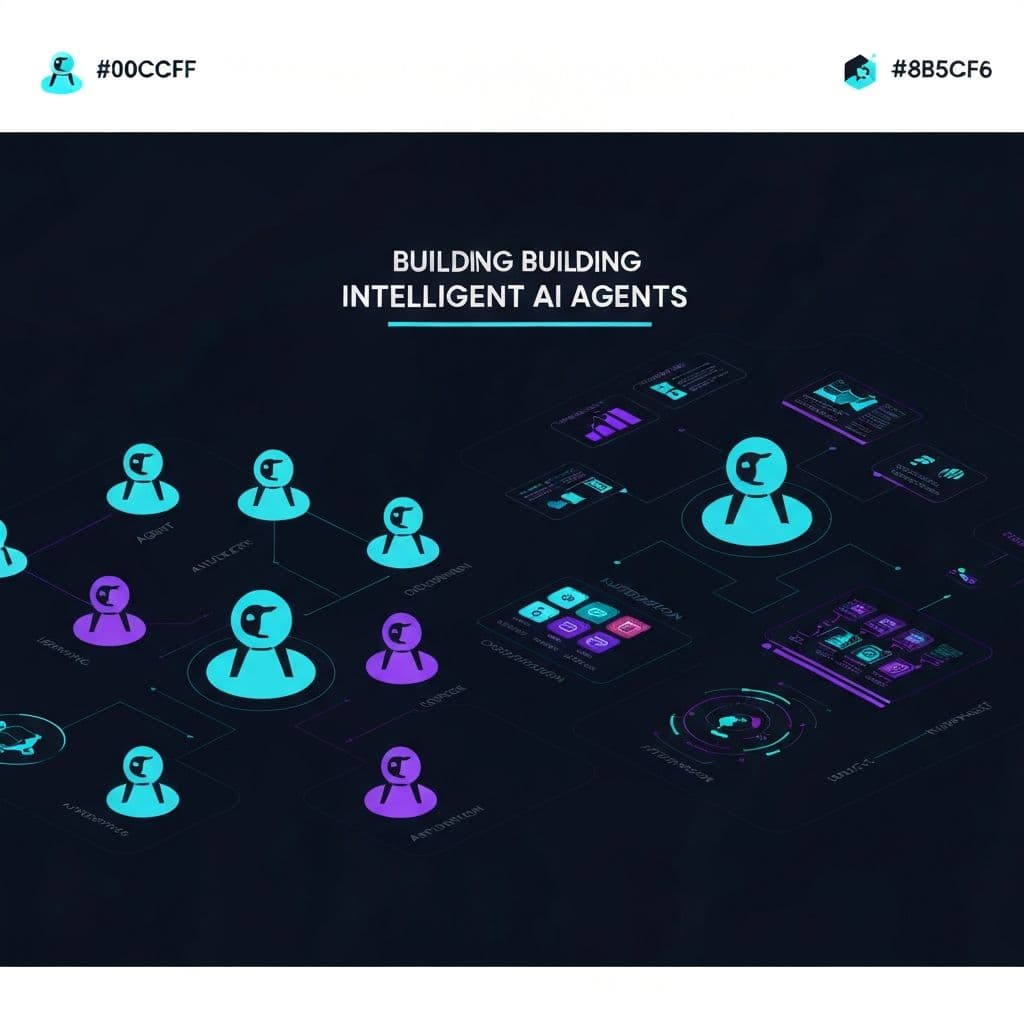
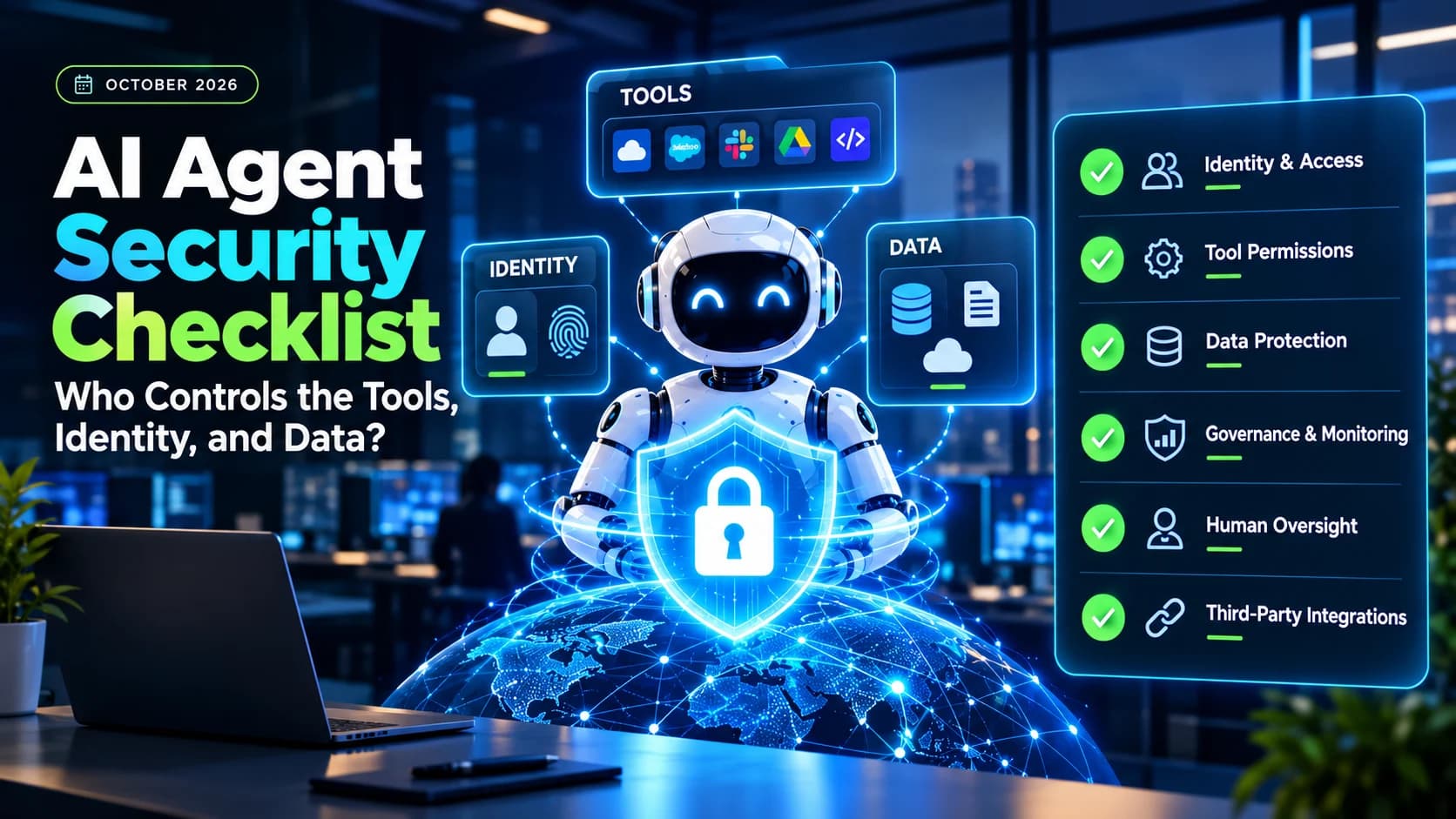
Building Intelligent AI Agents for Enterprise
AI agents are transforming enterprise automation, enabling businesses to automate complex workflows and improve operational efficiency. This guide covers everything you need to know.
What Are AI Agents?
AI agents are autonomous software entities that:
- Perceive their environment through sensors/data inputs
- Make decisions based on predefined rules and AI models
- Take actions to achieve specific goals
- Learn and adapt from experiences
Types of Enterprise AI Agents
1. Autonomous Workflow Agents
Handle repetitive business processes automatically:
- Invoice processing
- Document classification
- Data entry automation
- Customer service routing
2. Decision Support Agents
Provide intelligent recommendations:
- Resource allocation optimization
- Predictive maintenance alerts
- Risk assessment and analysis
- Market analysis and insights
3. Integration Agents
Connect multiple systems seamlessly:
- API orchestration
- Data synchronization
- System monitoring
- Cross-platform automation
Building Your First AI Agent
Key steps for successful implementation:
- Define Clear Objectives - What should the agent accomplish?
- Design Agent Architecture - How will it process information?
- Choose AI Models - Which models best fit your use case?
- Implement Safety Guards - How do you ensure responsible behavior?
- Test Thoroughly - Validate across various scenarios
- Monitor Performance - Track metrics and improvements
- Iterate and Improve - Continuously enhance capabilities
Deployment Considerations
When deploying AI agents:
- Ensure proper infrastructure scaling
- Implement comprehensive logging
- Set up alert mechanisms
- Plan for maintenance and updates
- Establish SLAs and performance targets
Conclusion
Intelligent AI agents are powerful tools for enterprise automation. With proper planning and implementation, they can significantly improve efficiency and reduce costs.
About Intellectual Clouds Team
Intellectual Clouds Team is the Founder of Intellectual Clouds and a Certified Salesforce Administrator and Pardot Specialist with 17+ years of experience across Salesforce CRM, AI automation, cloud infrastructure (AWS), and digital transformation. He writes on AI agents, Salesforce delivery, Answer Engine Optimisation (AEO), and AI-accelerated business operations.
View full profile →